


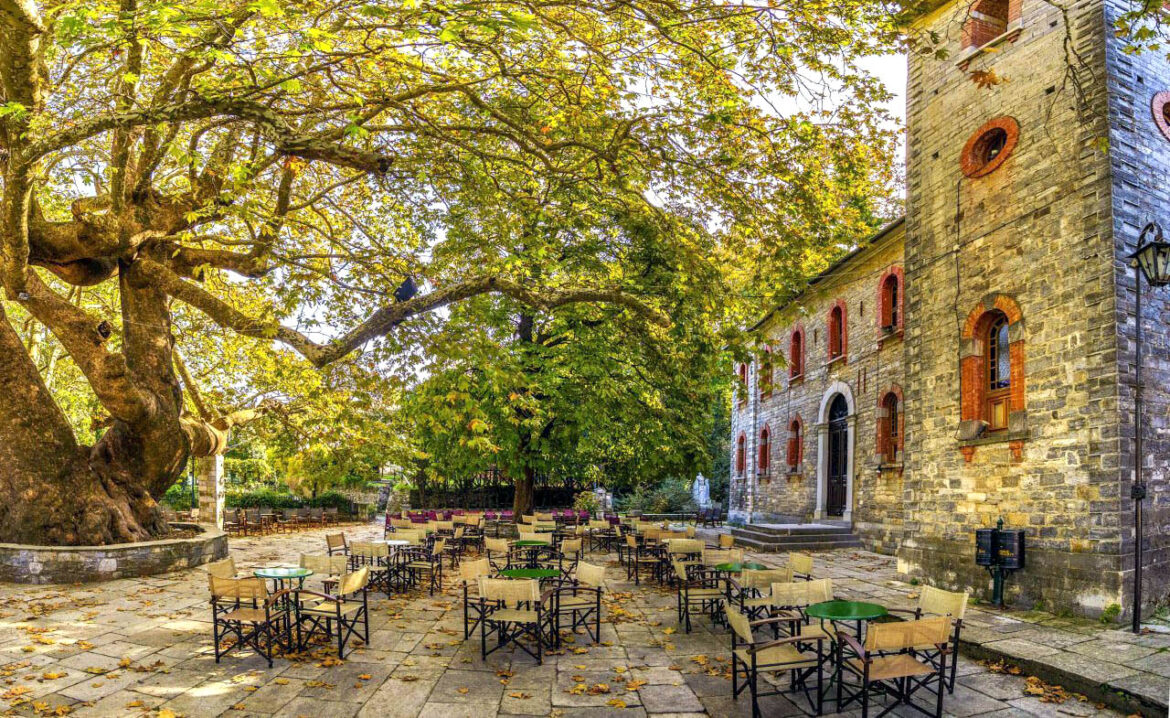
Tsagarada in Pelion is one of those rare destinations that seems to exist in a different rhythm of time, where dense chestnut forests, ancient stone mansions, and winding cobbled paths create a layered landscape that feels both cinematic and deeply grounded in tradition,
Tsagarada Pelion Tsagarada is not a single compact settlement but rather a collection of small neighborhoods spread across the mountainside, each with its own square, church, and network of paths, forming a mosaic of life embedded in nature rather than imposed upon it.
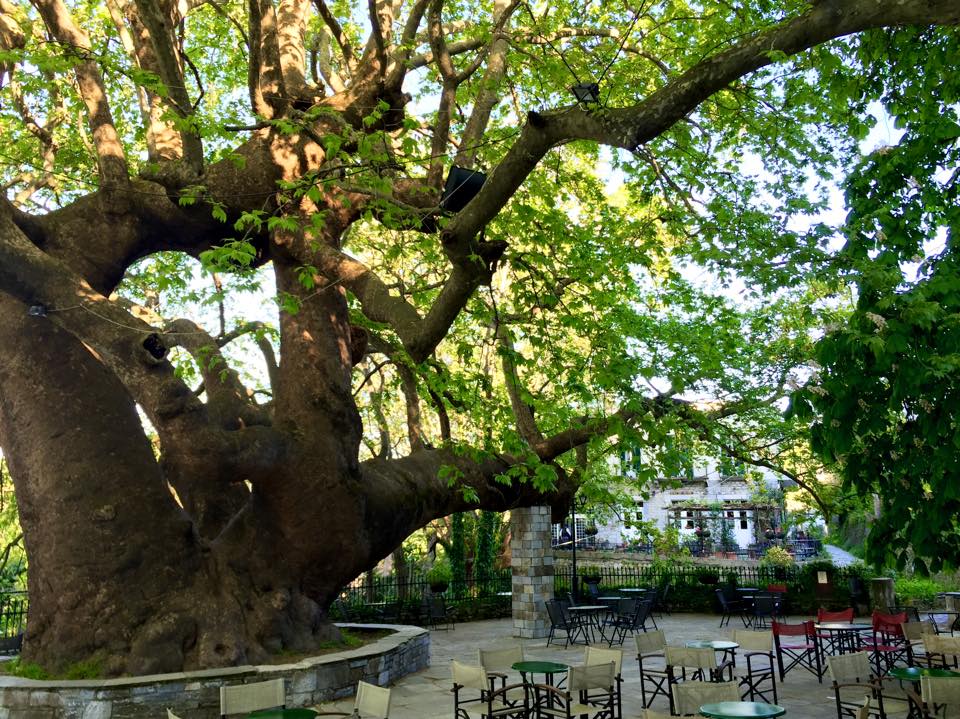
Tsagarada
The experience of staying here is inseparable from the landscape itself, as accommodation becomes part of the story rather than just a practical detail, with options ranging from traditional rental rooms housed in restored stone mansions to more contemporary Airbnb-style stays that offer privacy, flexibility, and a more independent way of exploring the village, while at the same time more structured Booking hotels provide additional comfort for those who prefer organized hospitality and services during their stay.
In Tsagarada, the idea of accommodation city center is almost symbolic rather than literal, since there is no single urban core but instead multiple small hubs of life spread across the hills, where each neighborhood offers its own sense of place and accessibility, allowing visitors to feel constantly immersed in nature even when they are close to cafes, tavernas, or local squares. Over the years, the variety of apartments for rent has expanded significantly, often integrated into traditional homes that preserve the architectural identity of Pelion while offering modern amenities, making them ideal for short-term rentals that cater to both weekend travelers and longer seasonal stays, especially for those who want to escape urban intensity and experience a slower, more atmospheric way of living.
Hotels in the wider Tsagarada area tend to follow the same philosophy, blending into the environment with stone walls, wooden balconies, and discreet design choices that prioritize harmony with the surroundings rather than visual dominance, while rental rooms remain one of the most authentic forms of hospitality, often managed by local families who offer not just accommodation but a sense of personal connection to the place, sharing stories, traditions, and local knowledge that enrich the visitor’s experience beyond the physical stay.
The rise of Airbnb has also added a new layer to the local hospitality scene, making it easier for travelers to find unique homes tucked into forests or overlooking valleys, where mornings begin with mist over the trees and evenings end with the sound of wind moving through the chestnut groves, and at the same time Booking hotels platforms provide quick access to more conventional stays for those who prefer simplicity in planning.
What makes Tsagarada particularly distinctive is the way it balances accessibility and seclusion, offering enough infrastructure for comfort without losing its sense of authenticity, so whether someone chooses apartments for rent in a quiet hamlet or a more organized hotel near one of the main squares, the feeling of being surrounded by nature never disappears.
Short-term rentals have become especially popular in recent years, as more travelers seek flexible escapes that allow them to disconnect from routine without committing to long itineraries, and Tsagarada responds naturally to this demand because its structure already encourages slow exploration and spontaneous discovery rather than scheduled tourism.
Walking through the village reveals how deeply integrated human life is with the environment, as stone steps lead from one cluster of houses to another, often passing under thick canopies of trees or opening suddenly to wide views of the Aegean Sea in the distance, reminding visitors that Pelion is a place where mountain and sea coexist in constant dialogue. This duality enhances the appeal of the region for those seeking both relaxation and exploration, as it is possible to spend a morning hiking through forest trails and an afternoon by the coast without ever feeling disconnected from the village itself. Even the most modern accommodations tend to reflect this connection, with terraces overlooking green valleys, interiors inspired by natural materials, and a general emphasis on calmness rather than luxury excess, reinforcing the idea that comfort here is measured not in scale but in atmosphere.
Unlike heavily commercialized destinations, Tsagarada has maintained a careful balance between tourism development and preservation of identity, ensuring that hotels, rental rooms, and short-term rentals coexist with the landscape rather than overwhelming it. This makes every stay feel personal, as if the visitor is temporarily becoming part of a living, breathing village rather than occupying a standardized tourist space.
Ultimately, Tsagarada offers more than accommodation options or scenic beauty; it offers a way of experiencing time differently, where the presence of nature shapes daily rhythm and every type of stay, whether through Airbnb, Booking hotels, or traditional apartments for rent, becomes a doorway into a quieter, more reflective version of travel, one that lingers in memory long after departure because it is not defined by what you did, but by how the place made you feel.